

The Rise of Warehousing: Is Industrial Real Estate Overtaking Office Space in the Philippines?
The Philippines' growing logistics, manufacturing, and infrastructure sectors are creating new opportunities in industrial real estate and warehousing.
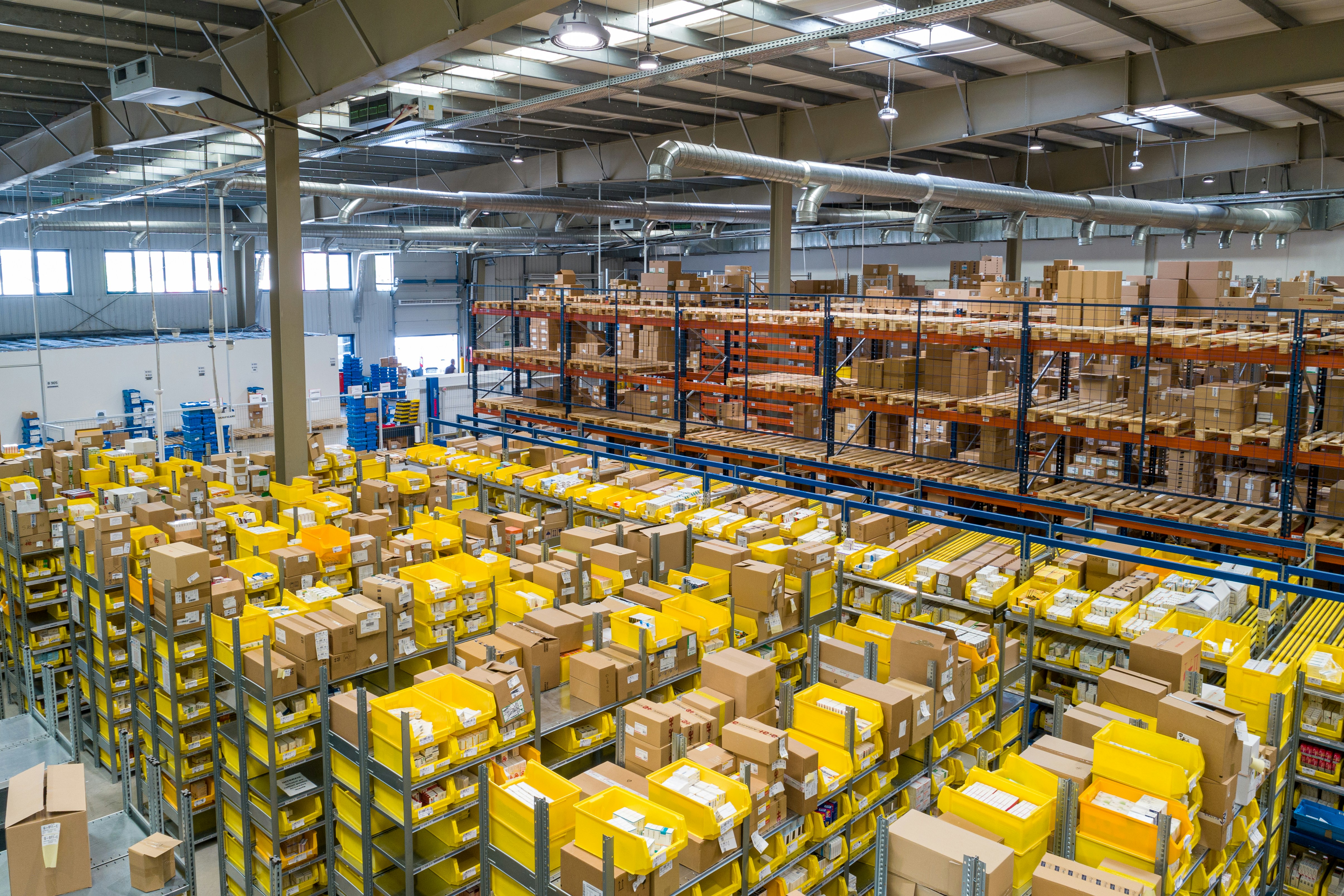
The Philippine logistics and industrial real estate sector is emerging as an increasingly important component of the country's commercial property market, supported by the continued expansion of e-commerce, manufacturing diversification, and infrastructure development.
According to Cushman & Wakefield, the sector is experiencing significant growth as businesses adapt to changing supply chain requirements and seek more efficient locations for manufacturing, warehousing, and distribution operations.
The evolving market is creating opportunities for industrial property owners and developers, particularly in strategically positioned locations with access to major transportation networks and logistics corridors.
Infrastructure and Connectivity Shape Industrial Property Demand
Infrastructure connectivity is becoming a major consideration in industrial real estate decisions.
Cushman & Wakefield highlights the importance of logistics corridors such as Clark-Subic and Calabarzon, where businesses can benefit from proximity to transportation networks, labor markets, and established economic activity.
Central Luzon, in particular, remains an important region to watch as infrastructure improvements strengthen its position as a manufacturing and distribution destination.
Developments such as the proposed Subic-Clark Railway could further improve connectivity between industrial centers and major logistics gateways, potentially supporting more efficient cargo movement and regional business operations.
For property developers, accessibility is increasingly becoming a competitive advantage. Industrial facilities located near major highways, ports, airports, and logistics hubs may become more attractive to companies seeking to reduce transportation expenses and improve delivery efficiency.
E-Commerce and Manufacturing Drive Demand for Warehousing
The continued expansion of online commerce is changing the requirements of the Philippine warehouse market.
Businesses increasingly need strategically located facilities that can accommodate inventory storage, order fulfillment, and distribution operations. This creates opportunities for modern warehouses and logistics facilities capable of supporting faster and more efficient supply chains.
Meanwhile, manufacturing diversification is expanding the range of potential industrial property occupiers.
Cushman & Wakefield identifies several important industrial segments, including electronics manufacturing in Cavite, cold chain logistics in Laguna, e-commerce fulfillment, renewable energy, and automotive components.
These industries have different operational requirements, creating demand for specialized industrial properties rather than conventional warehouse facilities alone.
Cold storage facilities, manufacturing plants, distribution centers, and modern fulfillment warehouses are becoming important components of the broader industrial property landscape.
Industrial Real Estate Investors Look Beyond Rental Rates
For investors, the industrial property sector presents opportunities beyond conventional rental income.
Cushman & Wakefield emphasizes the importance of evaluating industrial assets based on factors such as land availability, infrastructure development, occupier demand, regulatory requirements, and proximity to logistics networks.
The location of a property can directly influence its long-term investment potential.
Facilities positioned near major industrial zones and transportation corridors may offer operational advantages that attract established companies and support tenant retention.
Investors are also paying attention to specialized industrial assets, including facilities serving renewable energy, automotive manufacturing, and temperature-controlled logistics.
Sustainability is another consideration. Energy efficiency, renewable energy integration, and green building certifications are becoming increasingly relevant to industrial property owners as environmental requirements and tenant expectations evolve.
Central Luzon and Calabarzon Remain Important Industrial Markets
The Philippines' industrial property landscape is supported by several established and emerging economic centers.
Central Luzon benefits from its strategic position connecting Metro Manila with Northern and Central Philippines, while its proximity to Clark and Subic provides access to important logistics infrastructure.
Calabarzon, meanwhile, continues to play a significant role in the country's manufacturing ecosystem, particularly in industries requiring access to established industrial parks, suppliers, and transportation networks.
These regions provide opportunities for warehouse developers, industrial estate operators, and investors looking to participate in the country's evolving supply chain infrastructure.
However, successful industrial property development requires more than identifying available land. Developers must consider labor availability, transportation costs, utility requirements, zoning regulations, and the specific operational needs of prospective tenants.
What This Means for the Philippine Real Estate Market
The growing importance of logistics and industrial operations signals a broader shift in the Philippine commercial real estate landscape.
As businesses prioritize supply chain efficiency, property decisions are becoming increasingly connected to operational performance.
For developers, this creates an opportunity to deliver facilities designed around modern manufacturing and distribution requirements. For landlords, understanding tenant operations can help improve leasing strategies and long-term occupancy. For investors, strategically located industrial assets may offer opportunities to participate in the country's expanding economic infrastructure.
The outlook will depend on the continued development of transportation networks, the strength of manufacturing activity, and the ability of industrial property developers to deliver facilities that meet changing business requirements.
The bigger opportunity is no longer simply providing warehouse space. It is developing industrial real estate that helps businesses move products, manage costs, and operate more efficiently.
MatchMade
Post your listing for free
Reach verified buyers and brokers across the Philippines. No monthly fees — start matching today.
Get started — it's free